Examine the Complete Offerings Provided by General Contractors in the Construction Industry.
Building contractors are essential in the construction industry, offering a range of services that cover every stage of a project. Their skill set covers from initial design and planning to strong project execution and compliance with safety regulations. Hickory top rated Commercial General Contractor. Through the coordination of subcontractors and maintaining high quality, they aim to meet both financial restrictions and timelines. This comprehensive method prompts inquiries about the influence of their approaches on project success and client satisfaction
Defining the Function of General Building Contractors
Even though the construction field covers a range of positions, general contractors play a key role in overseeing and managing construction projects. They are responsible for guaranteeing that projects adhere to design specs, budgets, and timelines. CGCs coordinate various subcontractors, like carpenters, plumbers, and electricians, to make sure that all aspects of the construction process proceed efficiently.
Additionally, they are tasked with obtaining required permits and making certain they comply with local regulations and building codes. This function necessitates a deep understanding of construction practices, as well as robust leadership and interpersonal skills. CGCs serve as the main contact for clients, handling issues and offering progress reports throughout the project’s duration. Their skill in overcoming obstacles while upholding quality benchmarks is essential to the successful completion of commercial building projects, which contributes to the efficacy and efficiency of the industry as a whole.
Coordination and Project Management
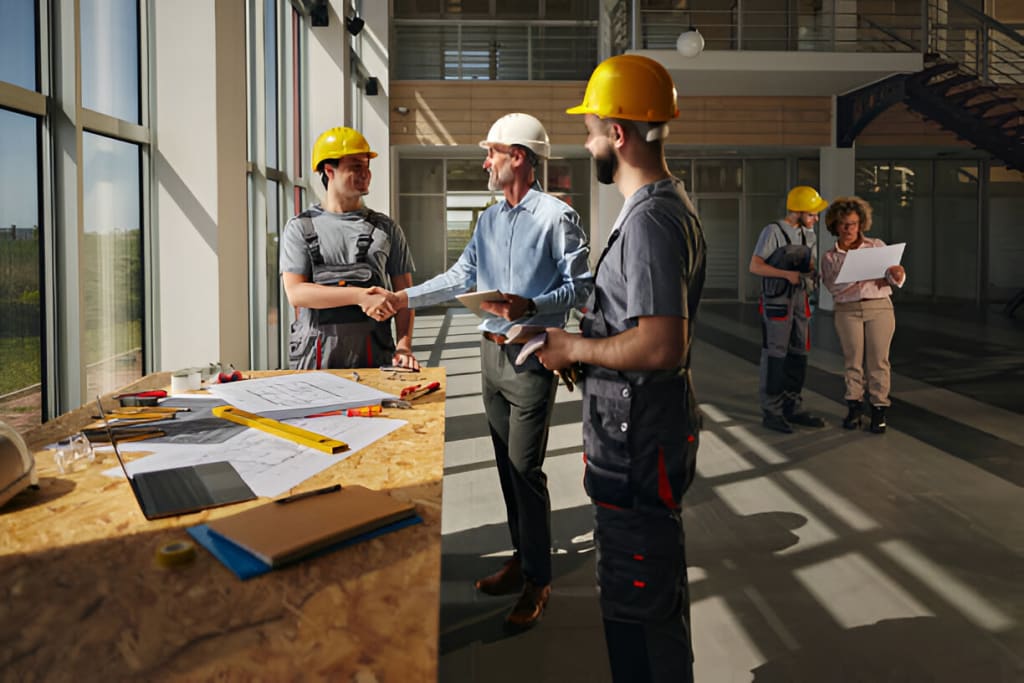
Managing and organizing projects are critical components for the project success supervised by commercial general contractors. Good communication practices, methods for resource distribution, and schedule control methods are crucial in ensuring that projects are completed on time and within financial limits - Hickory top rated Commercial General Contractor. By perfecting these components, contractors can improve teamwork among stakeholders and improve project success
Effective Communication Strategies
Efficient communication methods are vital in the success of construction projects, as they ensure that all stakeholders are aligned and informed throughout the process. Clear channels of communication promote cooperation among architects, engineers, subcontractors, and clients, ensuring that everyone understands project requirements and timelines. Regular meetings and updates aid in spotting potential problems quickly, allowing for timely problem-solving. Using up-to-date communication platforms, like project tracking software and mobile apps, enhances information sharing and ensures all parties are linked. Additionally, establishing a culture of open dialogue motivates suggestions and increases clarity, which helps achieve superior decisions. Crucially, well-implemented communication plans contribute to smoother project execution and enhanced party contentment in the construction industry.
Resource Allocation Techniques
Resource allocation techniques are essential for the smooth delivery of building projects, confirming that supplies, staff, and tools are applied efficiently. Optimized resource assignment means evaluating project specifications and matching them to existing resources, which helps reduce waste and maximize output. Construction managers use diverse methods, including focusing on tasks based on necessity and resource supply, to distribute resources efficiently. Furthermore, utilizing digital tools to monitor resource consumption can enhance decision-making and adaptability. Regular evaluations of resource allocation allow for the detection of potential hold-ups and sectors requiring optimization, making rapid changes possible. Through applying these methods, construction firms can preserve project velocity, control costs, and finally meet project objectives inside the established boundaries.
Timeline Management Practices
Handling project durations requires precise planning and organization to ensure every stage of the project advances seamlessly. General contractors use several time control techniques to increase operational speed and secure completion within the timeframe. These methods involve creating comprehensive timelines, employing PM tools, and conducting regular progress assessments. By setting clear deadlines and milestones, builders are able to efficiently track progress and tackle forthcoming delays rapidly. Moreover, they define communication procedures between sub-trades, vendors, and interested parties to facilitate information flow and avoid misunderstandings. Anticipatory risk mitigation techniques also help maintain the schedule, making corrections possible for unforeseen difficulties. In the end, successful schedule control is crucial for reaching project targets and upholding stakeholder approval in the competitive construction industry.
Design and Planning Services
Pre-construction and design services are vital elements of the construction process, centering on successful concept development methods. These strategies help guarantee that the project's vision matches practical execution, as architectural coordination efforts promote seamless teamwork among stakeholders. When prioritizing these aspects, commercial general contractors can enhance project outcomes and efficiency.
Concept Development Methods
Although the success of a construction project often copyrights on its initial vision, successful concept development approaches play an essential role in transforming ideas into actionable plans. These strategies involve a systematic approach that includes refer now thorough research, engaging stakeholders, and feasibility assessments. Through collaboration with clients and stakeholders, commercial general contractors are able to determine project goals and limitations early in the process. This collaboration fosters innovation while ensuring alignment with regulatory and budgetary requirements. In addition, prototypes and visualizations can be used to refine concepts, permitting modifications before significant investments are made. In the end, successful concept development strategies do more than just streamline the transition from vision to reality but also reduce potential risks, setting the stage for a successful construction project.
Architectural Coordination Processes
Effective architectural coordination processes are necessary for the successful execution of construction projects. These efforts require careful collaboration among architects, engineers, and contractors to ensure that design goals are correctly translated into tangible structures. Commercial general contractors are instrumental in facilitating communication and aligning project goals. Contractors manage the incorporation of various design elements, resolving potential conflicts at the start of the planning phase. This proactive approach minimizes costly delays and rework, fostering a smoother workflow. Furthermore, strong architectural coordination ensures compliance with building codes and local regulations, enhancing project viability. By simplifying design revisions and optimizing resource allocation, these processes ultimately enhance the overall efficiency and quality of construction outcomes, delivering projects that meet client expectations and standards.
Financial Oversight and Budgeting
Financial control and budgeting are critical components of successful construction projects, ensuring that resources are efficiently allocated and expenditures do not exceed established limits. Commercial general contractors are fundamental in this aspect by precisely creating budgets that encompass the entirety of the project, covering materials, labor, and unexpected costs. This specialized knowledge enables accurate forecasting, which is crucial for avoiding cost overruns and securing economic success.
Beyond this, general contractors maintain strict fiscal oversight throughout the project lifecycle. Contractors monitor expenditures relative to the budget, making necessary adjustments to funding to handle shifts in the project's requirements or unexpected expenses. This active oversight ensures the project remains financially sound but also fosters transparent communication with stakeholders concerning the financial situation. By utilizing comprehensive documentation and regular updates, general contractors ensure everyone is kept up-to-date, thereby enhancing trust and collaboration throughout the construction process.
Ensuring Quality and Adhering to Safety Standards

Maintaining high quality and ensuring safety are essential requirements in the construction industry, ensuring that projects meet established standards while protecting the health and well-being of all workers involved. Commercial general contractors implement rigorous quality control measures by carrying out frequent site reviews, verifying supplies, and ensuring standards are met. This approach aids in detecting issues promptly, reducing costly rework and delays.
Safety compliance is equally critical; contractors comply with OSHA standards and industry best practices to create a secure work environment. This encompasses supplying necessary education, required safety gear, and maintaining clear communication regarding safety protocols.
Follow-up Services and Ongoing Assistance
After the building phase concludes, commercial general contractors deliver crucial support after completion to guarantee the project continues to meet the client's needs. These services often include thorough inspections to check that standards are met and local regulations. Contractors may also engage in warranty management, resolving problems that occur after the project handover.
Additionally, they offer maintenance services, helping clients with the upkeep of the building to prolong its lifespan and ensure full operation. Training sessions for staff on equipment and systems may also be included to improve how efficiently the facility runs.
Furthermore, contractors frequently assist with project closeout documentation, guaranteeing all pertinent records are structured and available for future reference. This continued assistance builds a long-term connection between contractors and clients, fostering trust and satisfaction while promoting accountability in the construction process. Fundamentally, after-build services are instrumental in the project's lasting triumph.
Questions and Answers
Which Kinds of Developments Do Commercial General Contractors Generally Oversee?
CGTs usually manage a wide array of jobs, including office buildings, shopping centers, manufacturing plants, healthcare centers, schools and universities, and housing developments, making sure every job adheres to sector benchmarks and customer requirements efficiently.
How Do I Choose the Right Commercial General Contractor for This Job?
For selecting the right commercial general contractor, it is necessary to review their experience, verify recommendations, determine their economic reliability, examine previous work, and guarantee clear communication about schedules and budgets for successful job execution.
What Difficulties Faced During Construction Projects?
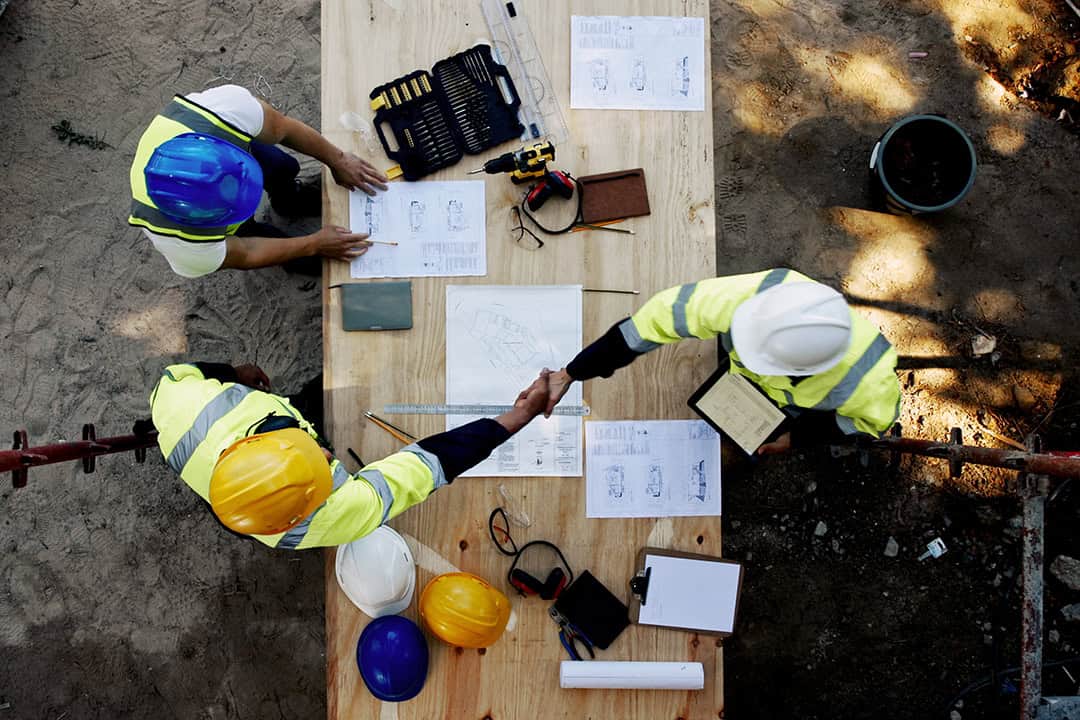
Frequent obstacles faced during construction projects involve exceeding the budget, scheduling delays, insufficient workforce, meeting legal requirements, unexpected site conditions, and poor coordination among the team members. These obstacles frequently hinder project execution and may result in higher expenses and timelines.
How Do Builders Guarantee Adherence To Regional Construction Regulations?
Contractors guarantee compliance with local building codes by meticulously examining the statutes, performing frequent checks, collaborating with local authorities, and keeping meticulous records throughout the construction process to mitigate risks and meet safety requirements.
What Warranties or Guarantees Are Firms Expected to Give After Project Completion?
Contractors typically provide warranties that cover workmanship and materials, lasting from one to ten years. Warranties usually entail remediation of issues, ensuring clients receive quality assurance and security after the job is done.